Behind The Pseudonym: The Secret Footballer's Stress and Legacy
For years, the identity of 'The Secret Footballer' captivated fans and infuriated authorities within the beautiful game. This enigmatic figure, who provided unparalleled, unvarnished insights into the often-hidden world of professional football, became a cult phenomenon. Through biting commentary, shocking anecdotes, and poignant reflections, The Secret Footballer pulled back the curtain on the Premier League's inner workings. But behind the veil of anonymity lay a deeply personal journey, marked by immense stress, a profound sense of responsibility, and a legacy that significantly reshaped the discourse around mental health in sport. The recent revelation of former Premier League striker Dave Kitson as the man behind the mask has not only solved one of football's greatest mysteries but also shed light on the heavy toll his unique form of truth-telling took.
Unmasking The Secret: Dave Kitson's Revelation
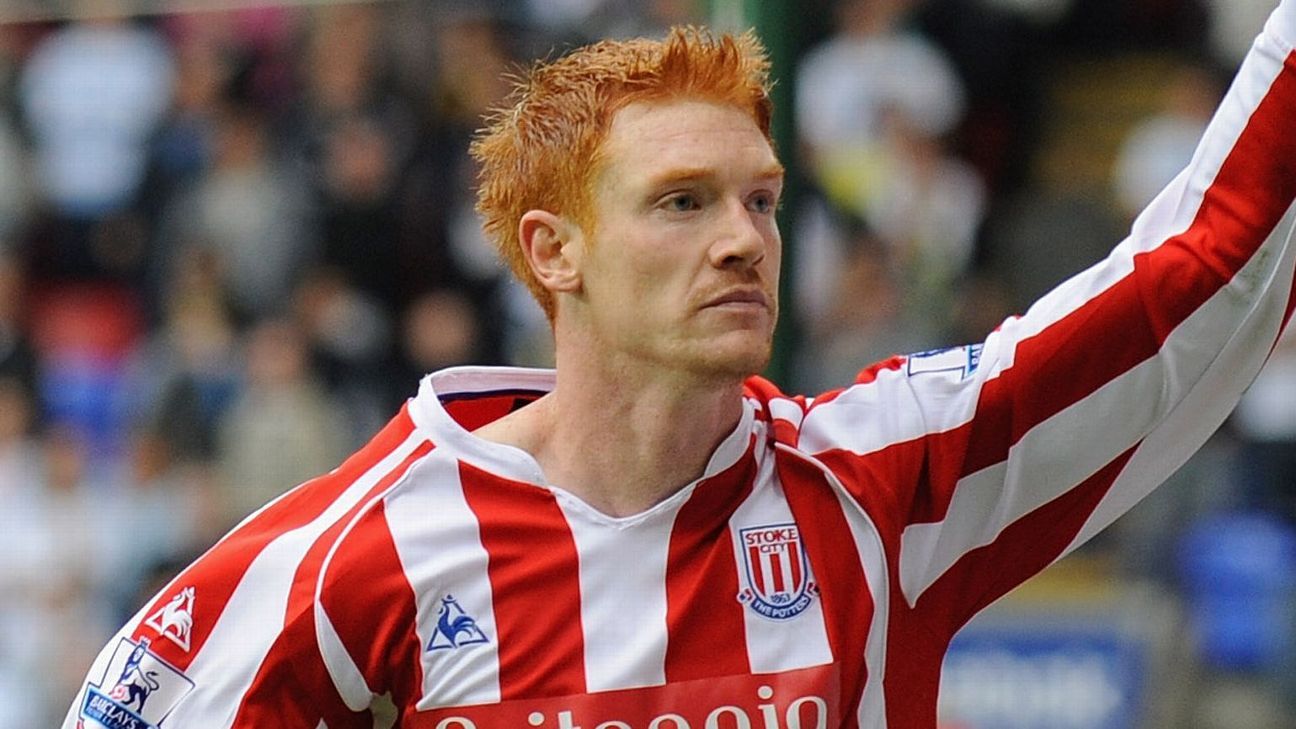
The football world held its breath for over a decade, speculating endlessly about the true identity of The Secret Footballer. Was it a current player? A recently retired veteran? The mystery only deepened with each candid column and best-selling book. Finally, in a moment that sent ripples across the industry, Dave Kitson, the articulate and often outspoken former Reading and Stoke City striker, stepped forward to claim the mantle.
Kitson's career spanned a number of prominent clubs, including Cambridge United, Sheffield United, and Portsmouth, alongside his more notable spells at Reading and Stoke. Beyond his on-field exploits, Kitson proved to be a prolific writer, penning five books under the pseudonym – titles like *I Am The Secret Footballer* and *Tales From The Secret Footballer* – and maintaining a highly influential weekly column with The Guardian throughout the 2010s. His decision to finally reveal himself was a significant moment, not just for him personally, but for all those who had followed his remarkable journey from the shadows. To dive deeper into the man behind the mystery, explore
Dave Kitson Unmasked: The Secret Footballer's Hidden Truths.
The Genesis of a Pseudonym: Why The Secret Footballer Emerged
Kitson's motivations for adopting the 'Secret Footballer' persona were deeply personal and rooted in a desire for an unfiltered outlet. He explained that the idea struck him during a period of dissatisfaction with the direction football was taking, driven by a need to express these frustrations for his own mental well-being. A lifelong passion for writing, which saw him aspire to be a travel writer in his youth, found its unexpected manifestation in the football industry.
*
A Cathartic Process: For Kitson, writing was fundamentally cathartic. It allowed him to process the confusing and often illogical aspects of professional football that he witnessed firsthand.
*
Explaining the Industry: The initial goal wasn't to expose individuals but to illuminate the inner workings of the game, providing an "explaining what happens in the industry and why" perspective. He aimed to present facts and allow readers to form their own conclusions.
*
Early Impact: At its outset, the project was "fun for a while," offering a genuinely new perspective at a time when player voices and independent outlets were far less common than they are today. Before the age of ubiquitous podcasts and social media, The Secret Footballer was a pioneering voice, offering unprecedented transparency.
This anonymous platform allowed Kitson to critique the industry, challenge norms, and provide a raw, often uncomfortable look at the realities faced by players, managers, and clubs, free from the immediate repercussions that direct identification would bring.
The Weight of Secrecy: Anxiety, Guilt, and a Tragic Turning Point
While the anonymity afforded creative freedom, it came at a significant personal cost. Kitson described the "huge anxiety" that accompanied his secret life. As a player with a substantial contract, being "outed" would have meant professional ruin – immediate sacking and ostracization from the sport he loved. The constant fear of exposure was an immense psychological burden.
However, the nature of his anonymity and his column's direction shifted dramatically following a tragic event that profoundly impacted Kitson and the wider football community. In 2011, he wrote a column titled 'Sometimes There's Darkness Behind the Light,' addressing the taboo subject of mental health in football. At a time when speaking about such issues was widely perceived as a sign of weakness, Kitson bravely highlighted what he saw as a "mental health epidemic," even predicting that "it was only a matter of time before someone took their own life."
The timing was hauntingly prescient. The column was published on a Saturday; the following day, former Leeds United, Newcastle United, and Wales midfielder Gary Speed was found dead. Speed's death, tragically, validated Kitson's stark warning in the most devastating way possible.
*
Unbearable Guilt: The immediate aftermath plunged Kitson into deep suffering and guilt. He grappled with the agonizing question of whether writing the column earlier might have made a difference, fostering an immense sense of responsibility.
*
Credibility in Tragedy: The tragedy, in Kitson's words, gave the column "credibility in the worst possible way," transforming it from a "cult column" into a "bible on football." This newfound, tragic authority made the entire 'Secret Footballer' concept "not fun any more."
*
Anger and Frustration: Beyond the guilt, Kitson felt profound anger towards the football authorities for their passivity on mental health issues. He observed their perceived inaction and lack of support, a frustration that lingered long after he stopped writing.
This watershed moment marked a turning point. The immense emotional burden, coupled with the profound impact of Speed's death, eventually led Kitson to cease writing his column. To understand the deeper ramifications of this tragic event on Kitson and the football world, read
Gary Speed's Tragedy: How It Changed The Secret Footballer.
A Lasting Legacy: Shifting the Mental Health Narrative in Football
Despite the personal anguish and anxiety endured, The Secret Footballer undeniably left an indelible mark on English football. Kitson’s courage to address sensitive topics, particularly mental health, when it was a largely ignored and stigmatized subject, was trailblazing.
*
Breaking the Silence: Before his columns, discussions about mental well-being in professional sports were virtually non-existent. Kitson forced the conversation, challenging the pervasive 'macho' culture that equated vulnerability with weakness.
*
Driving Systemic Change: He proudly states that his work "changed football in this country and led to overhauls at the highest levels." While the process was slow and often frustrating, his persistent voice contributed significantly to the shift in how mental health is approached within clubs and governing bodies today.
*
Modern Context: In an era where players like Marcus Rashford openly discuss pressures and mental health support systems are becoming more robust, it's easy to forget how radical Kitson's stance was. His anonymous critiques laid essential groundwork for the increased openness we see today.
The anger Kitson felt towards the authorities for their initial inaction has, fortunately, seen some resolution. While the painful memories remain, he acknowledges that many of those in previous positions of power have been replaced, and significant improvements have been made in how mental health is addressed within football.
Beyond the Pitch: Lessons from The Secret Footballer's Journey
The Secret Footballer's saga offers powerful insights not just for football fans but for anyone grappling with stress, advocating for change, or seeking an outlet for expression.
1.
The Power of the Unseen Voice: Kitson demonstrated that anonymity, when used responsibly, can be a potent tool for truth-telling and social commentary, especially when direct, identified criticism carries severe personal or professional risks. It allowed him to challenge the status quo from within.
2.
Mental Health Advocacy: His story underscores the critical importance of speaking up about mental health, even when it's uncomfortable. Kitson's early warning was a stark reminder that mental struggles affect everyone, regardless of their profession or public image.
3.
The Weight of Responsibility: Kitson's guilt over Gary Speed's death highlights the immense emotional burden that can accompany public commentary, particularly on sensitive subjects. It's a testament to the deep empathy he held, despite his analytical approach.
4.
Evolution of Discourse: The journey from taboo to topic reflects a broader societal shift. Kitson's contributions were instrumental in accelerating this change within the rigid structures of professional football, paving the way for more compassionate and supportive environments.
5.
Finding an Outlet: His experience reinforces the therapeutic value of having an outlet for personal frustrations and observations. Whether through writing, art, or conversation, channeling difficult emotions can be vital for mental well-being.
Dave Kitson's journey as The Secret Footballer is more than just a solved mystery; it's a testament to the power of a single, albeit anonymous, voice to instigate profound change. His willingness to speak truth to power, even at great personal cost, helped transform the conversation around mental health in football, leaving a legacy far beyond the goals he scored on the pitch. His story reminds us that behind every public persona, there lies a human being navigating complex emotions and responsibilities.